Solid wood, MDF or plywood: what lasts in a Nigerian home
Three materials, three very different lives in Lagos heat and humidity. Here is how to tell them apart and when each one makes sense.
Walk into any furniture showroom in Lagos and most of what you see will look like wood. Some of it is. A lot of it is MDF or chipboard wearing a thin printed skin. On day one you can barely tell the difference. Two rainy seasons later, you can.
This guide explains the three materials you will meet most often, how each one copes with our climate, and how to check what you are actually paying for.
Solid wood
Solid wood is cut straight from the tree. Iroko, mahogany, teak, obeche and walnut are the names you will hear most in Nigeria. It is heavy, it can be sanded and refinished many times, and a well-made piece will outlive the person who bought it.
The catch is movement. Solid timber swells a little when the air is wet and shrinks when it dries. A good maker allows for this with the way panels are joined, so doors keep closing and tops stay flat. A rushed maker glues everything tight, and the piece splits along the grain in its first harmattan.
Best for: dining tables, beds, chairs, anything you want to keep for decades.
Plywood
Plywood is made from thin sheets of wood glued together with the grain of each layer running across the one below. That cross-grain build is what makes it stable: it moves far less than solid timber and it holds screws well. Marine or exterior-grade plywood uses a water-resistant glue, which matters in a bathroom, a kitchen or a ground-floor flat.
Good plywood is finished with a real wood veneer or a solid timber edge, so it looks warm and honest. It is what we use for a lot of built-in joinery because it stays straight across long runs.
Best for: wardrobes, kitchen carcasses, shelving, cabinet backs and sides.
MDF and chipboard
MDF is wood fibre pressed with resin into a smooth, even board. Chipboard is the same idea with larger chips. Both are cheap, flat and easy to paint or wrap in a printed finish. Both drink water. Once the edge banding lifts or a spill gets into a screw hole, the board swells and crumbles, and there is no fixing it.
MDF is not useless. Painted MDF doors on a kitchen that is kept dry can look sharp for years. The problem is when it is sold as something it is not, or used where it will meet water every day.
Best for: painted panels and doors in dry rooms, short-term furniture, display pieces.
How to check what you are buying
- Look at the edges. Solid wood shows grain running right through. Plywood shows its layers like a stack of thin pages. MDF shows a flat, fuzzy brown core.
- Feel the weight. Solid hardwood is heavy. A big cabinet that lifts too easily is usually board.
- Open a drawer. The inside of a drawer tells you more than the front. Look for proper joints at the corners, not staples.
- Ask directly. A maker who uses good material will tell you exactly what it is and where. Vague answers are an answer.
What we do
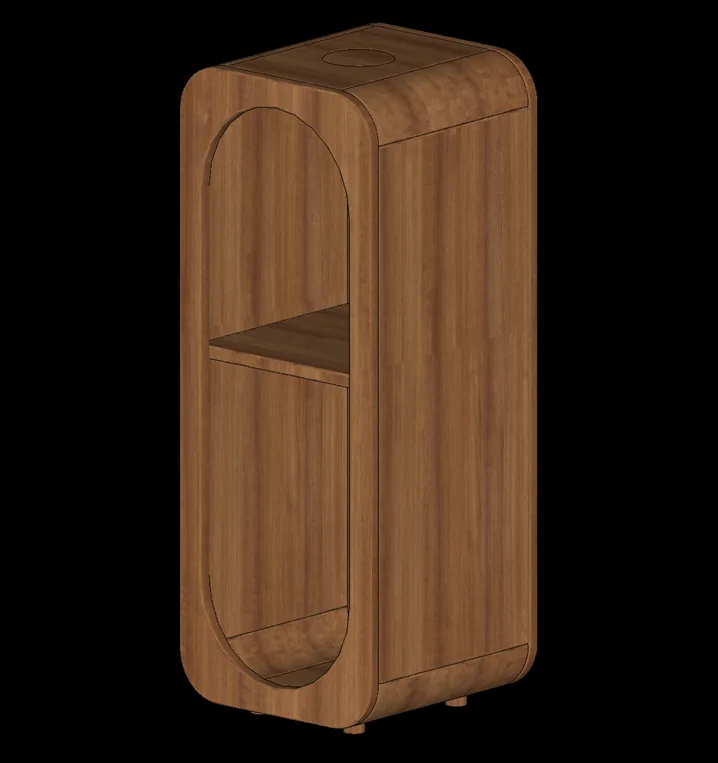
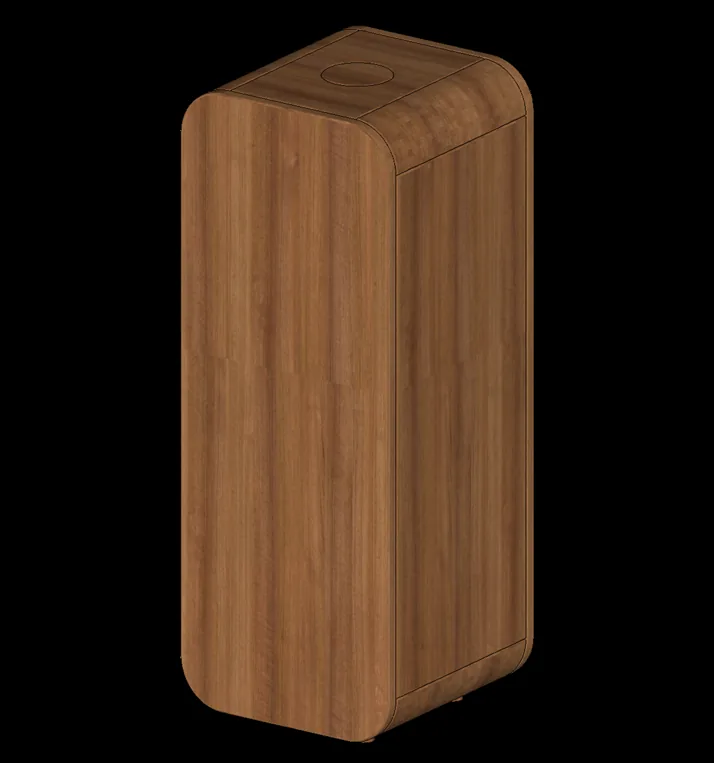
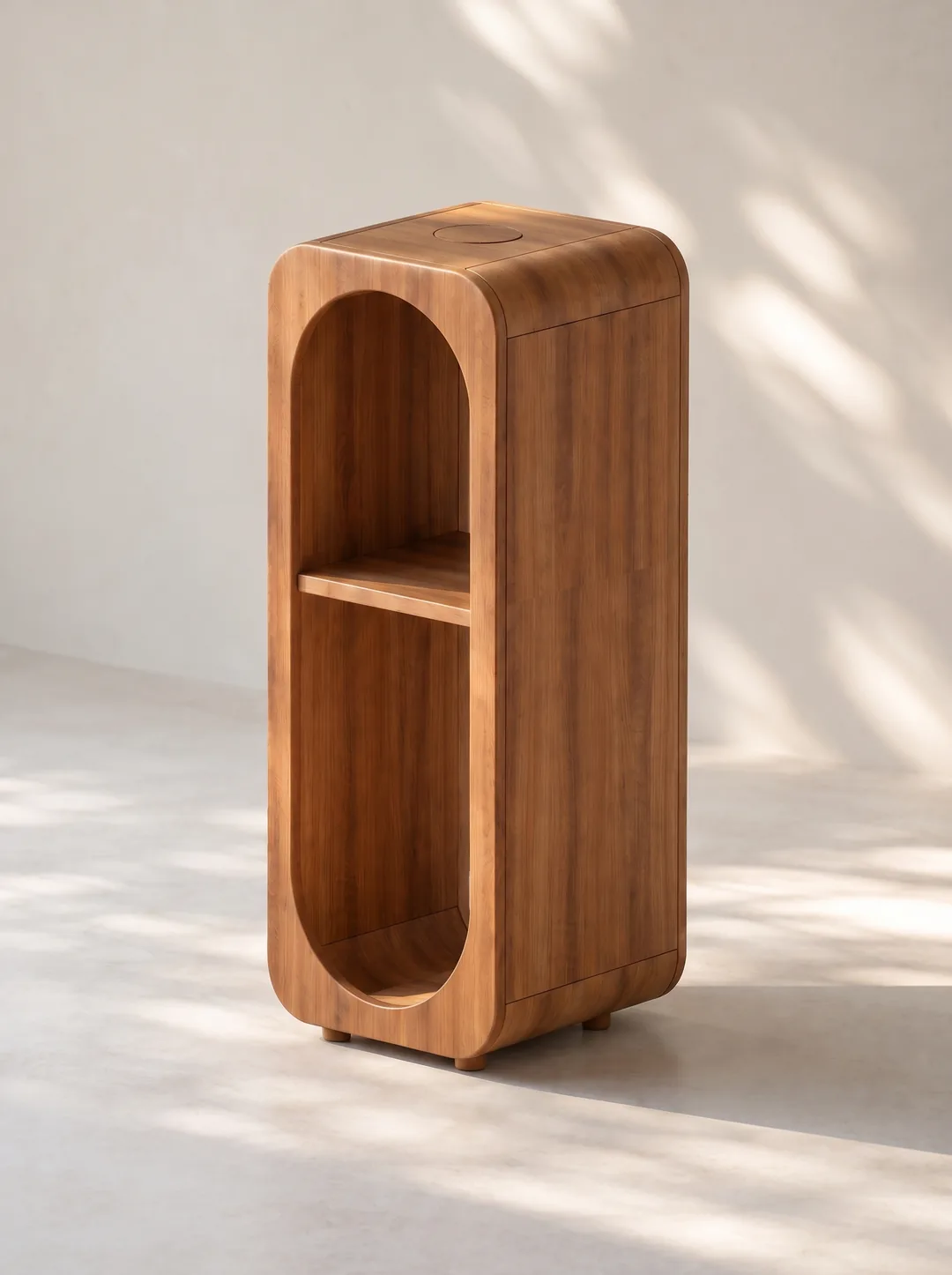
For Suiiel Furniture we use timber where it carries weight and gets touched every day, and stable sheet material where it needs to stay flat. The Cove Side Table is a good example: a rounded timber body, a warm walnut-tone finish, and nothing hidden under a printed skin.
If you are planning a whole room rather than a single piece, the studio side of Suiiel designs fitted furniture and joinery as part of each project. You can see that work here.