How to choose a bedside table that actually works
Height, depth, storage and light. The few measurements that decide whether a bedside table helps you sleep or just collects clutter.
A bedside table is the piece of furniture you reach for half asleep. It holds your phone, your water, your glasses and whatever you are reading. When it is the wrong height or too small, you notice every single night. When it is right, you never think about it.
Get the height right first
The top of a bedside table should sit level with the top of your mattress, or up to about 5cm below it. Any higher and you knock things over reaching across. Any lower and you end up leaning out of bed to find your phone in the dark.
Measure your bed with the mattress on before you shop. Thick mattresses and tall frames are common, and a standard 55cm table can end up far too low.
Then the size
- Width: around a third of the width of your bed looks balanced. For most double and queen beds that is 45 to 60cm.
- Depth: 35 to 45cm gives room for a lamp and a glass without blocking the walkway.
- Clearance: leave at least 60cm of floor beside the bed so you can get in and out without shuffling sideways.
Decide what needs hiding
Think about what actually lives on and near your bedside. If it is a book and a glass, an open shelf is enough and keeps the piece light. If it is chargers, medicine, hand cream and a tangle of cables, a drawer or an enclosed compartment keeps the top calm.
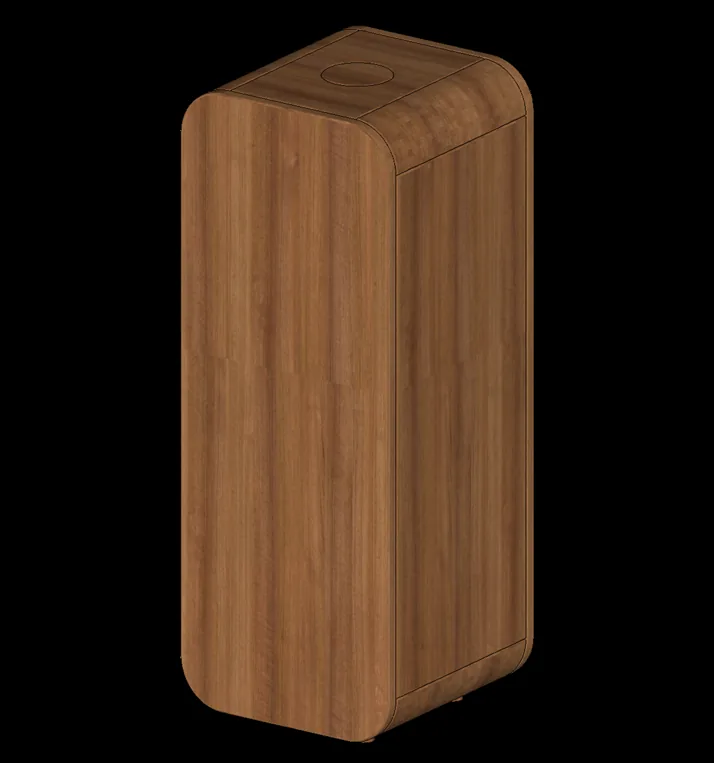
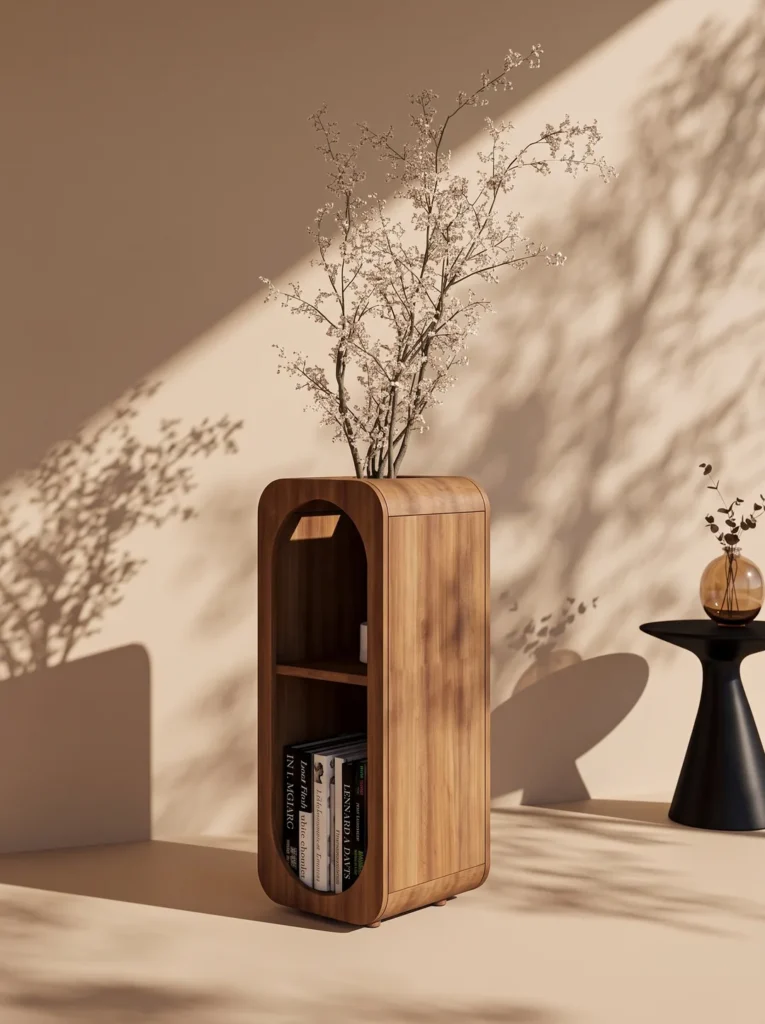
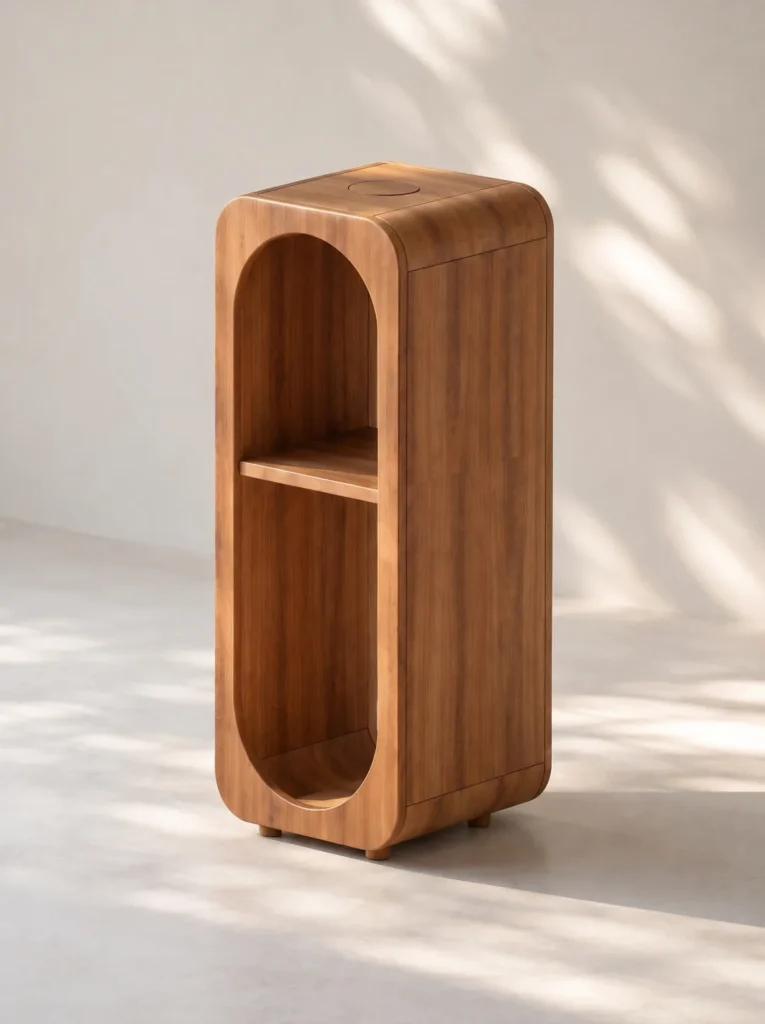
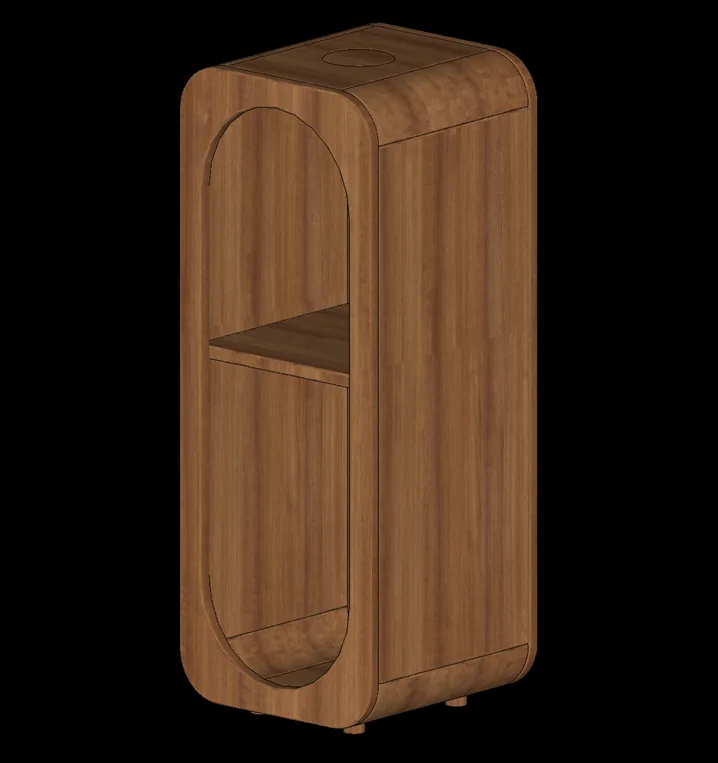
An open shelf underneath is the best of both: books and a small plant go there, and the top stays clear. It is one reason people use the Cove Side Table by the bed as often as beside the sofa. Its pill-shaped opening holds a stack of books, and the rounded top has room for a lamp and a morning coffee.
Plan the light and power
- Lamp or wall light? If space is tight, a wall-mounted light frees the whole top of the table.
- Find the socket. Check where the nearest socket is before you settle on a position. Trailing extension cables across the floor are a trip hazard and look untidy.
- Think about power cuts. A rechargeable lamp on the bedside means you are not hunting for your phone torch when NEPA takes light at 2am.
Do they need to match?
No. Matching pairs look neat and suit symmetrical rooms, but two different tables of a similar height can look more relaxed and personal. If you mix, keep one thing in common: the same wood tone, the same height, or the same shape.
Small details that make a difference
- Rounded corners are kinder in the dark, especially near a door or in a child’s room.
- Legs or feet make cleaning under the bed easier and keep the room feeling open.
- A finish that does not mark easily from glasses saves the top from rings.
If you are planning a full bedroom rather than one piece, our studio’s guide to bedroom design for better sleep covers layout, light and colour in more depth.